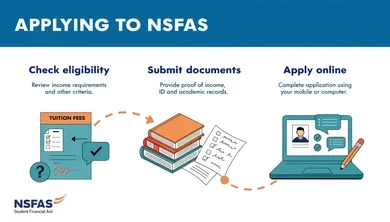
Navigating the costs of higher education in South Africa can be a daunting task for many aspiring students. Fortunately, the National Student Financial Aid Scheme (NSFAS) continues to be a crucial pillar, providing financial support to eligible students across universities and TVET colleges. As we look ahead to 2026, understanding the projected allowance amounts is essential for both new applicants and returning students to plan their academic journeys effectively.
This comprehensive guide breaks down the expected NSFAS allowances for the 2026 academic year, detailing what university and TVET students can anticipate for their food, personal care, learning materials, and accommodation needs. While specific figures are always subject to final government approvals and annual adjustments, we aim to provide a clear picture based on historical trends and current policy directives to help you prepare.
Understanding NSFAS Allowances: A Lifeline for Students
The National Student Financial Aid Scheme (NSFAS) is a government entity dedicated to providing financial assistance to poor and working-class students who wish to pursue higher education at public universities and TVET colleges in South Africa. Beyond just covering tuition fees, NSFAS provides a range of allowances designed to support students' daily living and academic needs, ensuring they can focus on their studies without the added burden of financial strain.
These allowances are categorised to address different aspects of student life, from ensuring students have access to nutritious food to covering the costs of essential learning materials and safe accommodation. For 2026, NSFAS continues its commitment to empowering students by adjusting these allowances to reflect the prevailing economic conditions and the actual cost of living and studying.
Projected University Allowance Amounts for 2026
University students, particularly those residing away from home, typically receive a comprehensive package of allowances. While the exact figures for 2026 are subject to final gazetting by the Department of Higher Education and Training, we can project amounts based on recent increases and inflation rates. We anticipate a modest increase from the 2025 figures to account for rising living costs.
Food & Personal Care Allowance (Living Allowance)
This allowance is provided to cover daily expenses such as food, toiletries, and transport for students not living in institution-managed or NSFAS-funded private accommodation. For 2026, university students can expect a monthly allowance projected to be in the region of R1,800 to R1,900. This amount is typically disbursed monthly directly into the student's bank account or through a NSFAS-issued card.
Learning Materials Allowance (Book Allowance)
Crucial for academic success, the learning materials allowance is a once-off annual payment designed to help students purchase textbooks, stationery, and data for online learning resources. For 2026, university students (excluding UNISA students, who have a different model) can anticipate an amount around R5,500 to R5,700. This allowance is usually paid out at the beginning of the academic year or shortly after registration is confirmed.
Accommodation Allowance
Accommodation is often the largest component of a student's living expenses. NSFAS provides an allowance for students residing in university-owned accommodation or NSFAS-accredited private accommodation. The allowance is typically capped and varies significantly by institution and location due to differing costs. For 2026, the accommodation allowance is projected to range from R6,500 to R7,500 per month for institution-managed accommodation, or up to a capped amount for private accredited accommodation, paid directly to the accommodation provider. Students living with parents/guardians and commuting often receive a transport allowance instead of accommodation, typically linked to the food & personal care allowance.
Projected TVET College Allowance Amounts for 2026
TVET colleges play a vital role in skills development, and NSFAS support for these students is equally critical. While the structure is similar to universities, the amounts might differ slightly due to varying cost structures and academic calendars.
Food & Personal Care Allowance (Living Allowance)
TVET college students, similar to their university counterparts, will receive a monthly allowance for food and personal care. For 2026, this is projected to be around R1,500 to R1,600 per month. This helps cover essential daily living costs and enables students to commute to college.
Learning Materials Allowance (Book Allowance)
TVET students also receive a once-off annual learning materials allowance. This covers prescribed textbooks, specific tools or equipment relevant to their vocational field, and data. For 2026, this allowance is projected to be in the range of R3,200 to R3,500, which is generally lower than university allowances reflecting potentially different material needs.
Accommodation Allowance
Accommodation support for TVET students is also provided, especially for those who need to move closer to their college campus. For 2026, the capped accommodation allowance for TVET students is projected to be around R5,000 to R6,000 per month for approved accommodation, paid directly to the provider. Again, a transport allowance may be offered as an alternative for commuting students, often integrated into the personal care allowance.
Key Considerations for 2026 NSFAS Allowances
First Allowance Disbursements
The first allowance disbursement for the 2026 academic year typically occurs shortly after a student's registration is confirmed by their respective institution. This is a critical period for students to cover initial costs such as transport, essential groceries, and settling into new accommodation. Students should ensure their registration details are accurate and submitted promptly to avoid delays.
UNISA Specific Allowances
UNISA, as a distance learning institution, has a slightly different allowance structure. UNISA students generally receive a learning materials allowance and a personal care allowance. They typically do not qualify for an accommodation allowance unless they are registered for a specific programme with a compulsory residential component or practicals requiring temporary accommodation. For 2026, the UNISA learning materials allowance (book allowance) is expected to be around R6,000 to R6,200 annually, while the personal care allowance is projected at approximately R3,000 to R3,200 annually, disbursed once or twice a year.
Private Accommodation Providers
NSFAS continues to work towards accrediting private accommodation providers to ensure safe, conducive, and affordable housing options for students. For 2026, it is imperative for students seeking private accommodation to ensure their chosen provider is registered and accredited with NSFAS to ensure direct payment of the accommodation allowance. Unaccredited accommodation might lead to delays or non-payment, placing the financial burden on the student.
Potential Increases and Annual Reviews
NSFAS allowances are reviewed annually in consultation with the Department of Higher Education and Training and the National Treasury. Any increases for 2026 will aim to keep pace with inflation and the rising cost of living and education materials. Students are advised to monitor official NSFAS communications channels and their university's financial aid office for the final, confirmed amounts closer to the 2026 academic year.
Tips for Managing Your NSFAS Allowances
- Budget Wisely: Create a monthly budget to track your income (NSFAS allowances) and expenses. This helps prevent overspending and ensures your funds last the entire month.
- Prioritise Needs: Always prioritise essential items like food, study materials, and transport over non-essential purchases.
- Keep Receipts: Especially for learning materials, keeping receipts can help you track your spending and budget better for future academic years.
- Open a Bank Account: Ensure you have a valid, active bank account in your name for direct allowance disbursements. This is crucial for efficient payment.
- Stay Informed: Regularly check the NSFAS website, your myNSFAS portal, and university/college financial aid communication channels for updates and announcements.
The National Student Financial Aid Scheme remains an invaluable resource for countless South African students, bridging the financial gap that often stands between aspiring learners and their educational dreams. The projected allowances for 2026 underscore NSFAS's ongoing commitment to providing comprehensive support, enabling students at both university and TVET colleges to pursue their studies with greater peace of mind.
While these figures are projections, they offer a solid foundation for financial planning as you look ahead to the next academic year. By understanding the different allowance categories and how they are disbursed, students can better prepare for their academic journey, ensuring that financial constraints do not hinder their potential. Stay vigilant for official announcements from NSFAS for the final 2026 allowance figures and ensure all your application details are up-to-date.