Securing funding for higher education is a significant hurdle for many South African students. Fortunately, the National Student Financial Aid Scheme (NSFAS) continues to be a beacon of hope, providing vital financial support. As we look towards the 2026 academic year, understanding the intricate details of NSFAS allowances is crucial for both current and prospective beneficiaries. This comprehensive guide will break down the expected living, book, and accommodation allowances, clarifying how they differ between universities and TVET colleges, how payments are disbursed, and what each allowance is intended to cover. Prepare yourself with the knowledge you need to navigate your NSFAS funding effectively.
Navigating NSFAS Allowances for the 2026 Academic Year
The National Student Financial Aid Scheme (NSFAS) is dedicated to ensuring that academically deserving students from low-income households can access higher education. For the 2026 academic year, NSFAS will continue to provide comprehensive bursaries that cover tuition fees and a range of essential allowances. These allowances are designed to alleviate the financial burden of daily living, learning materials, and suitable accommodation, allowing students to focus on their studies without undue stress. While the official 2026 figures are typically announced closer to the application period or academic year commencement, we can project expected amounts based on historical trends and inflationary adjustments. It's imperative for students to stay informed and understand the purpose and disbursement mechanisms of each allowance to manage their finances effectively throughout their academic journey.
The Core Allowances: Living, Learning, and Accommodation Breakdown
NSFAS provides several distinct allowances, each tailored to cover specific student needs. For 2026, these are expected to continue to be categorised into living, book, and accommodation allowances. Understanding what each covers is key:
Living Allowance
The living allowance is designed to cover personal expenses, transport, and general subsistence. This allowance is disbursed directly to students, usually monthly, to help them manage their day-to-day costs. For 2026, students can anticipate an amount in the region of R16,500 to R17,500 per annum for university students, disbursed monthly. TVET college students attending institutions in larger metropolitan areas might receive a slightly adjusted amount to account for regional living costs, often similar to or marginally less than university students.
- What it covers: Personal care items, transport costs (commuting to campus), incidental expenses, and other general living necessities.
- Disbursement: Typically paid directly into the student's bank account via the NSFAS digital payment system or through institutional third-party agreements.
Book Allowance (Learning Material Allowance)
The book allowance is crucial for ensuring students have access to essential textbooks and learning materials. This allowance is usually provided as a once-off payment at the beginning of the academic year or through a voucher system.
- University Students: Expected to receive around R5,500 to R6,000 per annum. This amount is generally standard across all university courses, recognising that learning material costs can vary significantly but aims to provide a substantial baseline.
- TVET College Students: Will also receive a book allowance, often in the region of R3,000 to R3,500 per annum, reflecting the differing nature and cost of learning materials for TVET programs.
- Disbursement: Often via a cash payment to the student's account or a virtual voucher that can be used at accredited bookstores or suppliers. Students are encouraged to use this allowance wisely for prescribed books and essential academic resources.
Accommodation Allowance
Accommodation is a major expense for many students who relocate to study. NSFAS provides an accommodation allowance, but its disbursement and amount depend on whether the student resides in university/TVET-managed accommodation or private accredited accommodation.
- University-Managed Accommodation: NSFAS typically pays the institution directly for the student's room and board. The amount is usually capped at the institutional rate or an NSFAS-determined maximum, which for 2026 could range from R45,000 to R60,000 per annum, varying by institution and city.
- TVET College Accommodation: Similar to universities, if a TVET college offers accredited residence, NSFAS will pay the institution directly, with caps likely in the range of R35,000 to R45,000 per annum.
- Private Accredited Accommodation: Students residing in private accommodation that has been accredited by the institution and meets NSFAS criteria will have their allowance paid either directly to the landlord (if an agreement is in place) or to the student, who is then responsible for paying their rent. These allowances are also capped, generally aligning with the institutional rates. It's vital for students to ensure their private accommodation is accredited to qualify for this funding.
University vs. TVET College Allowances: Key Differences
While NSFAS provides support to both university and TVET college students, there are notable differences in the allowance structures that reflect the distinct educational models and associated costs. These differences are primarily seen in the amounts allocated for book allowances and sometimes in accommodation, though the living allowance tends to be more consistent.
- Book Allowance Disparity: University students generally receive a higher book allowance due to the typically greater volume and cost of textbooks required for degree programs. TVET students' learning materials, while essential, are often less expensive.
- Accommodation Nuances: While both sectors receive accommodation support, the caps for university accommodation (especially in major cities like Johannesburg, Cape Town, or Durban) tend to be higher than those for TVET colleges. This reflects the differing market rates and facilities often associated with each type of institution.
- Tuition Coverage: It's important to remember that for both universities and TVET colleges, NSFAS covers 100% of the tuition fees for approved programs, removing that significant financial barrier for eligible students.
These distinctions are not arbitrary but are carefully calibrated by NSFAS to provide equitable and appropriate financial support based on the specific needs of each educational pathway. Students must confirm the specific allowances applicable to their chosen institution and program directly with NSFAS or their institution's financial aid office for 2026.
How NSFAS Allowances are Disbursed in 2026
The efficient disbursement of allowances is critical for students' financial stability. For 2026, NSFAS is expected to continue refining its payment systems to ensure timely and accurate distribution.
- Direct to Student: Living allowances are predominantly paid directly into the student’s bank account. NSFAS has implemented its own direct payment system or partners with financial service providers to facilitate this. Students are required to have their own bank account (not a parent's) linked to their NSFAS profile.
- Through Institutions: Tuition fees and, in many cases, accommodation fees for institution-managed residences, are paid directly by NSFAS to the university or TVET college. This simplifies the process for students, as they don't handle these large sums directly.
- Payment Schedule: Living allowances are typically disbursed monthly, usually within the first week or two of each month during the academic year. Book allowances are generally a once-off payment at the start of the year. Accommodation allowances might be paid monthly to students (for private accredited accommodation) or in tranches directly to institutions.
- Common Issues & Solutions: Students often face delays due to incorrect banking details, lack of registration confirmation from their institution, or NSFAS system glitches. It is crucial for students to:
- Ensure their banking details are correct and active on the NSFAS portal.
- Confirm their registration status with their institution.
- Regularly check the NSFAS portal for updates and communicate any issues immediately to their institution's financial aid office or NSFAS directly.
The move towards direct payments aims to empower students and reduce dependency on institutions for allowance distribution, though institutions still play a vital role in verifying student registration and academic progression.
Important Considerations for 2026 NSFAS Applicants and Beneficiaries
Applying for and managing NSFAS funding requires diligence. Here are key considerations for 2026:
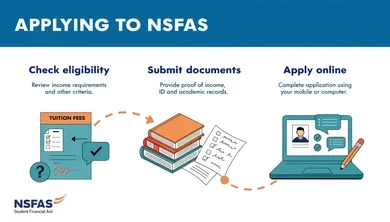
- Eligibility Criteria: Ensure you meet all NSFAS eligibility criteria, including the household income threshold (currently R350,000 gross annual income for beneficiaries, and R600,000 for students with disabilities).
- Application Process: Applications for 2026 typically open in September/October of 2025. Apply early and accurately through the official NSFAS website. Ensure all required supporting documents are submitted correctly.
- Academic Performance: To maintain your NSFAS funding, you must meet the academic progression requirements set by your institution and NSFAS. This usually means passing a certain percentage of your registered courses each year.
- Changing Circumstances: If your financial situation or academic registration changes during the year, inform NSFAS and your institution's financial aid office immediately.
- Fraud Awareness: Be vigilant against scams. NSFAS will never ask for money to process an application. Only use the official NSFAS website for applications and inquiries.
By staying proactive and informed, students can maximise their chances of securing and retaining NSFAS funding throughout their studies.
The National Student Financial Aid Scheme remains an indispensable pillar of support for South African students striving for higher education. For the 2026 academic year, understanding the expected breakdown of living, book, and accommodation allowances, along with the nuances between university and TVET college funding, is paramount. While specific figures are subject to final announcements, being aware of the general structure and disbursement methods empowers you to plan your finances effectively. Remember to stay updated with official NSFAS communications and reach out for assistance if needed. With NSFAS, a brighter educational future is within reach.