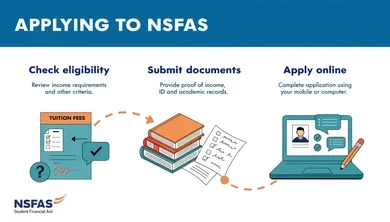
The National Student Financial Aid Scheme (NSFAS) remains a beacon of hope for countless South African students aspiring to higher education. As we look towards the 2026 academic year, understanding the specific allowances provided by NSFAS is crucial for effective financial planning. This comprehensive guide will break down the expected funding categories – including accommodation, transport, learning materials, and living allowances – for both university and TVET college students. Prepare yourself for the academic journey ahead by knowing exactly how your NSFAS funding will support you from the application opening date on January 1, 2026, through to the closing date on December 31, 2026.
Understanding Your NSFAS Funding for 2026
NSFAS is committed to ensuring that financially needy and academically deserving South African students have access to tertiary education. For the 2026 academic year, NSFAS will continue to provide comprehensive bursaries that cover tuition fees, as well as several essential allowances designed to support students' daily needs. These allowances are vital for students, enabling them to focus on their studies without the added burden of financial stress. It's imperative for all beneficiaries to understand the structure and purpose of each allowance to manage their funds effectively.
The Core Components of NSFAS Allowances
NSFAS bursaries are typically divided into several key allowance categories, each addressing a specific student need. While exact figures are determined annually and announced by NSFAS, the categories generally remain consistent. These allowances ensure that students can cover their living expenses, transport costs, and access necessary learning materials. The main components are accommodation, transport, learning material (book allowance), and a living allowance. We will delve into how these apply to both university and TVET college students for the 2026 academic year.
University Student Allowances: A Detailed Look for 2026
University students typically receive allowances tailored to the demands of campus life and academic requirements. The amounts allocated for each category can vary based on factors such as the student's specific institution, their living arrangements, and whether they are residing in a rural or urban area. It's crucial for students to confirm the precise figures for their institution directly with NSFAS or their university's financial aid office once they are officially released for the 2026 academic year.
Accommodation Allowance (University)
This allowance covers the cost of student housing. For university students, it typically distinguishes between NSFAS-funded university-managed accommodation (on-campus residences) and approved private accommodation. Students residing in private accommodation must ensure their lodging is accredited by their institution and NSFAS to qualify for this allowance. The amount can differ significantly based on the region and specific university's accreditation rates for 2026. This allowance is paid directly to the accommodation provider or, in some cases, to the student if the accommodation is self-managed and approved.
Transport Allowance (University)
The transport allowance is provided to students who do not receive an accommodation allowance and commute daily to their university. This fixed monthly payment is intended to assist with daily travel expenses. For the 2026 academic year, this amount will be set by NSFAS and aims to ease the financial burden of commuting for eligible students, ensuring they can attend classes regularly. Students living within a certain proximity to campus may not qualify for this allowance if their accommodation allowance covers their living situation.
Learning Material/Book Allowance (University)
This critical allowance is a once-off annual payment designed to help students purchase prescribed textbooks, stationery, and other necessary learning materials. For 2026, it is typically disbursed at the beginning of the academic year, often into the student's NSFAS Wallet or directly into their bank account. This empowers students to acquire the resources needed for their courses promptly, supporting their academic performance throughout the year.
Living Allowance (University)
The living allowance is a monthly stipend allocated to cover students' personal expenses, such as food, toiletries, and other basic necessities. This is arguably one of the most vital allowances, ensuring students have funds for day-to-day survival while pursuing their studies. For the 2026 academic year, the amount will be a fixed monthly sum, disbursed into the student's NSFAS Wallet or bank account, allowing them to manage their personal finances.
TVET College Student Allowances: What to Expect in 2026
TVET college students also receive comprehensive NSFAS support, tailored to the unique structure and needs of vocational training. While the categories are similar to those for university students, the specific amounts and certain qualifying criteria may differ. TVET college students for the 2026 academic year should consult their college's financial aid office and official NSFAS communications for the most accurate and up-to-date allowance figures.
Accommodation Allowance (TVET Colleges)
Similar to university students, TVET students may receive an accommodation allowance if they require lodging to attend their college. This covers either college-managed residences or approved private accommodation. As with universities, it's crucial that any private accommodation is accredited by the TVET college and NSFAS to ensure eligibility for the 2026 funding cycle. The allowances are designed to cover reasonable housing costs, varying by region and institution.
Transport Allowance (TVET Colleges)
The transport allowance for TVET college students who commute to campus daily and do not receive accommodation funding is a fixed monthly amount. This allowance supports travel to and from the college, enabling consistent attendance. The 2026 figures will be announced by NSFAS, and students should plan their transport budget accordingly, noting that this allowance is specifically for those not housed by the college or private accredited accommodation.
Learning Material/Book Allowance (TVET Colleges)
TVET students also receive a once-off annual allowance for learning materials. This fund is essential for purchasing textbooks, practical tools, and other specific resources required for their vocational courses. For the 2026 academic year, this allowance will be disbursed to ensure students have the necessary equipment and study aids to excel in their practical and theoretical training.
Living Allowance (TVET Colleges)
A monthly living allowance is provided to TVET students to cover personal expenses. This stipend is critical for maintaining well-being, covering costs such as food, personal care items, and other incidental expenses. For 2026, this fixed monthly payment helps ensure that TVET students can focus on their studies and practical training without undue financial strain.
Key Considerations for NSFAS Beneficiaries in 2026
Beyond understanding the allowance categories, several important points must be remembered by all NSFAS beneficiaries for the 2026 academic year:
- Disbursement Schedule: Allowances are typically disbursed monthly or once-off for the learning material allowance. It's important to budget accordingly as funds are not always released at the very beginning of each month.
- Academic Performance: Eligibility for NSFAS funding, including allowances, is contingent on maintaining satisfactory academic progress. Students must meet the academic progression requirements set by NSFAS and their institution.
- Direct Payments: Most allowances are paid directly to the student via the NSFAS Wallet system or into their personal bank account. It is the student's responsibility to ensure their banking details are correct and up-to-date with NSFAS.
- Official Information: Always refer to the official NSFAS website (e.g., NSFAS Official Platform and Government News) for the most accurate and current information regarding allowance amounts, eligibility, and disbursement dates for 2026. Avoid unofficial sources.
- Application Dates: Remember the academic year's application window: opening on January 1, 2026, and closing on December 31, 2026.
Maximising Your NSFAS Allowances
Receiving NSFAS allowances is a privilege that comes with the responsibility of financial management. Here are some tips to help you make the most of your funds for 2026:
- Create a Budget: Track your income (NSFAS allowances) and expenses. Allocate specific amounts for food, transport, personal items, and a small amount for emergencies or recreation.
- Prioritise Needs Over Wants: Use your allowances primarily for essentials. Differentiate between what you need for your studies and survival, and what are discretionary purchases.
- Save When Possible: Even small savings can add up. If you have extra funds one month, consider putting them aside for future needs or unexpected expenses.
- Seek Financial Literacy Resources: Many universities and TVET colleges offer workshops or resources on budgeting and financial management. Utilise these to improve your skills.
- Stay Informed: Regularly check your NSFAS portal for updates on disbursements and any changes to policies for the 2026 academic year.
Navigating the financial landscape of higher education can be daunting, but with a clear understanding of your NSFAS allowances for 2026, you're better equipped for success. From accommodation to living costs, these funds are designed to support your academic journey. Remember to manage your finances wisely, stay informed through official NSFAS channels, and focus on achieving your academic goals. NSFAS is here to help you unlock your full potential and contribute to the future of South Africa.