Receiving a 'rejected' or 'unfunded' status from the National Student Financial Aid Scheme (NSFAS) can be a disheartening blow for many aspiring South African students hoping to pursue higher education in 2026. However, a rejection is not always the final word. NSFAS provides a crucial appeal process designed to give students a second chance, especially if their circumstances have changed or their initial application contained errors. This comprehensive guide will walk you through every step of the NSFAS appeal process for the 2026 academic year, ensuring you have all the information and tools needed to present a strong case and potentially secure your much-needed funding.
Understanding Your NSFAS Application Status for 2026
Before you can appeal, it's crucial to understand why your initial NSFAS application for 2026 was rejected. Log into your myNSFAS account to check your application status. Common statuses include:
- Application Rejected: Your application did not meet one or more NSFAS criteria.
- Unsuccessful: Similar to rejected, often with a specific reason.
- Waiting for Documents: Indicates missing or incorrect supporting documents.
- Financial Eligibility Unsuccessful: Your household income exceeded the NSFAS threshold.
- Academic Eligibility Unsuccessful: You didn't meet the academic progression requirements.
The system will usually provide a specific reason for rejection. This reason is vital as it will determine the type of appeal you need to lodge and the supporting documents you must provide.
Common Reasons for NSFAS Application Rejection
Understanding the typical reasons for rejection can help you tailor your appeal. Here are the most frequent issues:
- Exceeding the Household Income Threshold: For the 2026 academic year, the threshold is expected to remain R350,000 per annum for most students, and R600,000 for students with disabilities. If your declared household income is above this, you'll need to prove a change in circumstances.
- Incorrect or Incomplete Supporting Documents: This is a very common reason. Missing IDs, incorrect proof of income, uncertified documents, or blurry scans can all lead to rejection.
- N+ Rule: NSFAS has an N+1 or N+2 rule, meaning students are funded for the minimum duration of their qualification (N) plus one or two extra years. If you've exceeded this, you might be rejected.
- Failure to Meet Academic Progression Requirements: Students must pass a certain percentage of their modules to continue receiving funding.
- Registered for a Non-Funded Course/Institution: While rare, ensuring your chosen course and institution are accredited and funded by NSFAS is essential.
- Previous Qualification: If you already hold a qualification at the same NQF level or higher, you might be ineligible for further NSFAS funding.
- Duplicate Application: Applying more than once can flag your application for rejection.
The NSFAS Appeal Process 2026: A Step-by-Step Guide
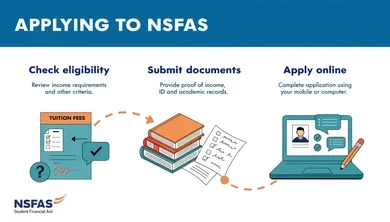
Once you understand the reason for your rejection, you can begin the appeal process for your 2026 application. Follow these steps carefully:
- Access the myNSFAS Portal: Go to www.nsfas.org.za and log into your myNSFAS account.
- Check Application Status: Navigate to 'Track Funding Progress' or 'Application Status'.
- Initiate Appeal: If your status is 'Rejected' or 'Unsuccessful', look for an 'Appeal' button or link next to the reason for rejection. Click it.
- Select Reason for Appeal: NSFAS will provide a list of appeal reasons based on the initial rejection. Choose the one that best applies to your situation (e.g., 'Change in Financial Household Circumstances', 'Incorrect Academic Results', 'Missing Documents').
- Upload Supporting Documents: This is the most critical step. Upload ALL relevant supporting documents specific to your appeal reason. Ensure they are certified (where required), clear, and correctly named.
- Write a Motivation Letter: A compelling motivation letter is essential. Clearly and concisely explain why you believe the decision should be overturned. Provide context for your situation and how your supporting documents substantiate your claim. Be honest and factual.
- Submit Your Appeal: Review all your uploaded documents and your motivation letter. Once satisfied, click 'Submit Appeal'.
- Receive Confirmation: You should receive a confirmation that your appeal has been submitted successfully. Keep this reference number.
Essential Supporting Documents for Your NSFAS Appeal
The documents you submit are paramount to the success of your appeal. Always upload certified copies that are no older than three months. Here's a breakdown by common appeal reasons:
A. Financial Household Circumstances Changed (e.g., job loss, death of a breadwinner):
- New or updated proof of income for all household members (payslips, affidavits for informal work, pension slips).
- Proof of retrenchment or UIF payouts (if applicable).
- Death certificate (if applicable).
- Affidavits confirming unemployment or changes in income.
- Proof of any social grants received.
B. Incorrect Household Income Information:
- Latest payslips for all working parents/guardians.
- SARS tax certificates for all household members.
- Affidavit if parents are self-employed or have informal income.
- Proof of grant income (SASSA).
C. Dependency and Household Composition Issues:
- Abbreviated death certificates of deceased parents (if applicable).
- Marriage certificate (if parents are married after initial application).
- Divorce decree (if parents are divorced after initial application).
- Proof of legal guardianship (if applicable).
- Affidavits confirming living arrangements and household members.
D. Academic Eligibility Appeal (e.g., N+ rule, academic progression):
- Official academic transcript from your institution.
- Letter from your institution confirming extenuating circumstances (e.g., medical leave, bereavement) that affected your academic performance.
- Doctor's note or medical certificate (if applicable).
- A detailed motivation explaining your academic challenges and steps taken to improve.
General Requirements:
- Your certified ID copy.
- Certified ID copies of all household members.
- Proof of address.
- Consent form (download from myNSFAS portal, signed by all household members).
Important: Ensure all documents are clear, legible, and properly named before uploading. Missing or unreadable documents are the quickest way to get an appeal rejected.
Key Appeal Timelines and Deadlines for 2026
While specific dates for the 2026 appeal window will be officially communicated by NSFAS, historically, the appeal period typically opens shortly after the initial application results are released. It usually runs for a few weeks to a month. It is critical to:
- Act Promptly: Do not delay once you receive your rejection. Gather your documents and submit your appeal as soon as the window opens.
- Monitor NSFAS Announcements: Keep a close eye on the official NSFAS website and social media channels for precise dates. Your higher education institution's financial aid office will also provide updates.
- Understand the Review Period: Once submitted, appeals undergo a review process, which can take several weeks. During this time, continue to check your myNSFAS portal regularly for updates.
Missing the appeal deadline means forfeiting your opportunity to challenge the initial decision, so mark your calendars and be prepared.
Tips for a Successful NSFAS Appeal
Maximise your chances of a positive outcome with these tips:
- Be Thorough and Accurate: Double-check all information and documents before submission. Any discrepancies can lead to further delays or rejection.
- Provide All Required Documents: Do not omit any document, even if you think it's minor. Each document serves a purpose in verifying your claims.
- Certify Documents Correctly: Get copies certified at a police station or Post Office. Ensure the certification stamp and date are clearly visible and within the three-month validity period.
- Write a Clear Motivation Letter: Your letter should be concise, factual, and persuasive. Explain your situation clearly and refer to the supporting documents.
- Keep Records: Maintain copies of all documents submitted, your appeal reference number, and any communication with NSFAS.
- Follow Up (but be patient): While regular checking of your myNSFAS portal is advised, avoid bombarding NSFAS with calls immediately after submission. They process a large volume of appeals.
- Seek Institutional Help: Your university or TVET college's financial aid office can offer guidance and assistance with the appeal process. They often have experience with common issues.
What Happens After You Appeal?
Once you've submitted your appeal, it enters a review phase. NSFAS assessors will evaluate your case based on your motivation and supporting documents. The possible outcomes include:
- Appeal Approved: Congratulations! Your funding will be processed. You will receive an SMS and an updated status on your myNSFAS portal.
- Appeal Rejected: If your appeal is unsuccessful, NSFAS will provide a reason. In some cases, there might be an opportunity for a further review, but this is less common.
- Awaiting Further Information: NSFAS might require additional documents or clarification. Respond to these requests promptly.
The waiting period can be anxious, but consistent monitoring of your myNSFAS account is crucial. If your appeal is approved, ensure you complete any further steps required by NSFAS or your institution, such as signing a bursary agreement.
The NSFAS appeal process for the 2026 academic year is a vital safety net for many South African students. While the initial rejection can be discouraging, understanding the process, gathering the correct documents, and presenting a strong, clear appeal can significantly increase your chances of securing funding. Remember to be proactive, thorough, and persistent. Your educational dreams are within reach, and with the right approach, you can navigate this challenge successfully. Good luck!