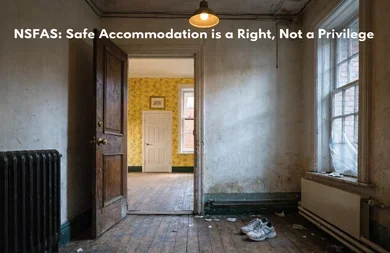
For many students in South Africa, securing safe and compliant accommodation is as crucial as receiving funding for their studies. The National Student Financial Aid Scheme (NSFAS) has made it unequivocally clear: safe student accommodation is not a luxury, but a fundamental right for all NSFAS-funded students. This commitment means NSFAS is enhancing its oversight of accommodation providers to ensure a consistent, high-quality living experience for students across the country.
Understanding NSFAS Funding and Accommodation Requirements
NSFAS provides bursaries to eligible South African students who lack the financial means to fund their tertiary education. This comprehensive funding typically covers not only tuition fees but also essential living costs. These include accommodation or transport, meals, learning materials, and personal care allowances.
For students relying on NSFAS, finding accredited accommodation is a critical step. Private accommodation providers must meet stringent NSFAS criteria. These include being located within 20km of the student's institution and adhering to specific standards for room size, furnishings, and shared facilities. For instance, NSFAS mandates that there should be one sink for every four students and one shower for every seven.
Ensuring Safety, Compliance, and Quality Standards
The health, safety, and well-being of students are paramount. NSFAS-mandated accommodation must comply with all relevant health and safety legislation. This is verified through mandatory certificates, including up-to-date fire safety certificates, electrical compliance certificates, and gas safety certificates where applicable.
Furthermore, accommodation providers are required to have a dedicated resident caretaker on the premises. To operate as an accredited NSFAS provider, properties must be successfully registered on the NSFAS portal, and providers are subject to a licence fee per bed. Accreditation is an annual process, requiring successful inspections to be renewed.
NSFAS Strengthens Oversight: What Providers and Students Need to Know
NSFAS is intensifying its efforts to guarantee the quality and safety of student housing through robust oversight. This includes conducting unannounced site visits to ensure that accredited providers consistently meet the required standards. Properties found to be non-compliant risk having their accreditation revoked.
A cap on accommodation costs was introduced in 2023 to ensure affordability. Looking ahead to the 2026 academic year, NSFAS is transitioning to a direct payment system to accommodation providers. This strategic move aims to streamline the financial process and ensure that funds are directly and efficiently allocated to approved housing solutions.
Your Rights and Responsibilities as a NSFAS-Funded Student
As a NSFAS-funded student, understanding your rights regarding accommodation is vital for a secure and comfortable academic journey. When seeking NSFAS-accredited accommodation, always verify that the provider is officially listed on the NSFAS portal and meticulously meets all the stipulated safety, facility, and location requirements.
If you encounter any issues with your current accommodation or a potential provider, familiarise yourself with the NSFAS reporting channels and procedures. NSFAS is committed to ensuring that all students have access to safe, decent, and compliant living spaces throughout their studies. [VERIFY: Specific reporting channels or contact numbers for student issues were not provided in the research facts, but are crucial for students needing to report problems.]
NSFAS's firm stance on safe and compliant student accommodation underscores its dedication to the overall well-being of its beneficiaries. By enforcing strict accreditation processes, mandating health and safety compliance, and conducting regular, unannounced inspections, NSFAS is actively working to uphold accommodation as a fundamental right, not a privilege.
Students seeking or currently residing in NSFAS-funded accommodation should remain informed about the evolving requirements and are encouraged to be aware of their rights. This proactive approach ensures a secure and conducive living environment, empowering students to focus wholeheartedly on their academic success.