Technical and Vocational Education and Training (TVET) colleges across South Africa are set to be among the first higher education institutions to receive National Student Financial Aid Scheme (NSFAS) payments for the 2026 academic year, offering early financial relief to thousands of students who rely on the scheme to fund their studies.
According to information from the Department of Higher Education and Training (DHET) and NSFAS processes from previous funding cycles, TVET colleges are prioritised in the disbursement of allowances due to their academic calendar structure and the socio-economic profile of their students.
This early payment approach is aimed at ensuring that students from low-income households can start the academic year without delays caused by financial constraints.
Why TVET Colleges Receive Payments First
TVET colleges begin their academic programmes earlier than universities, particularly for trimester and semester-based courses. As a result, NSFAS has historically processed TVET student funding and allowance payments ahead of those for universities to align with registration and teaching schedules.
Another key reason is accessibility. TVET colleges serve a large number of students from disadvantaged communities, many of whom depend entirely on NSFAS for tuition, accommodation, transport, and living allowances.
Early payments help prevent disruptions such as late registration, absenteeism, and dropouts.
For 2026, NSFAS is expected to continue this model, with qualifying TVET students receiving their tuition confirmations and allowances shortly after registration has been finalised and student data has been verified.
What the Payments Cover
NSFAS funding for TVET college students covers several essential costs. These include full tuition fees paid directly to the college, as well as allowances for accommodation (where applicable), transport for students living at home, and personal care or living expenses.
The allowance system is designed to ensure that students can focus on their studies without worrying about basic needs.
Payments are usually made through NSFAS-approved payment channels, such as bank accounts or mobile wallet systems, depending on the student’s selected option.
Importance of Registration and Data Verification
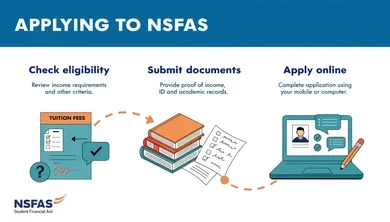
While TVET colleges may receive payments earlier, students are reminded that NSFAS disbursements are not automatic. Funding is only released once a student has successfully registered at a TVET college and their registration data has been submitted and confirmed on the NSFAS system.
Colleges play a crucial role in this process by uploading accurate registration information on time. Any delays or errors in student data can result in late payments, even if NSFAS has already started releasing funds for the academic year.
Students are therefore encouraged to complete registration processes promptly, ensure their personal details are correct, and regularly check their NSFAS status.
Relief for Students and Colleges
The early release of NSFAS payments is welcomed not only by students but also by TVET colleges themselves. Institutions often face financial pressure at the start of the academic year due to operational costs, teaching materials, and student support services.
Timely tuition payments help colleges maintain stability and deliver quality education from the beginning of the year.
For students, early allowances mean improved access to transport, accommodation, and learning resources. Many TVET students depend on these funds for daily expenses, making timely payments critical to their academic success.
NSFAS and the 2026 Academic Year
The 2026 funding cycle comes amid ongoing efforts by NSFAS and the DHET to improve efficiency, accountability, and turnaround times. In recent years, NSFAS has implemented system upgrades and revised processes aimed at reducing delays and payment backlogs that previously affected students.
While challenges such as appeals, document verification, and registration bottlenecks remain, prioritising TVET colleges in the payment schedule is seen as a practical step towards minimising disruptions in the post-school education sector.
What Students Should Do Next
Prospective and returning TVET college students who have applied for NSFAS funding for 2026 are advised to monitor official NSFAS communication channels, including the myNSFAS portal and SMS notifications.
Students should also stay in contact with their college financial aid offices for updates related to registration and allowances.
Importantly, students must ensure that their banking or payment details are active and correctly linked to their NSFAS profiles to avoid unnecessary delays once payments are released.
Looking Ahead
As the 2026 academic year approaches, the early prioritisation of TVET colleges for NSFAS payments signals continued recognition of the vital role these institutions play in skills development and youth employment in South Africa. With thousands of students expected to benefit, timely funding remains a key factor in supporting access to education and improving completion rates in the TVET sector.
For many students, early NSFAS payments are more than just financial transactions—they are the foundation that allows learning to begin on time and futures to take shape.